2026-11-24
Do Water Flossers Really Work? A Practical Guide to Better Daily Oral Care
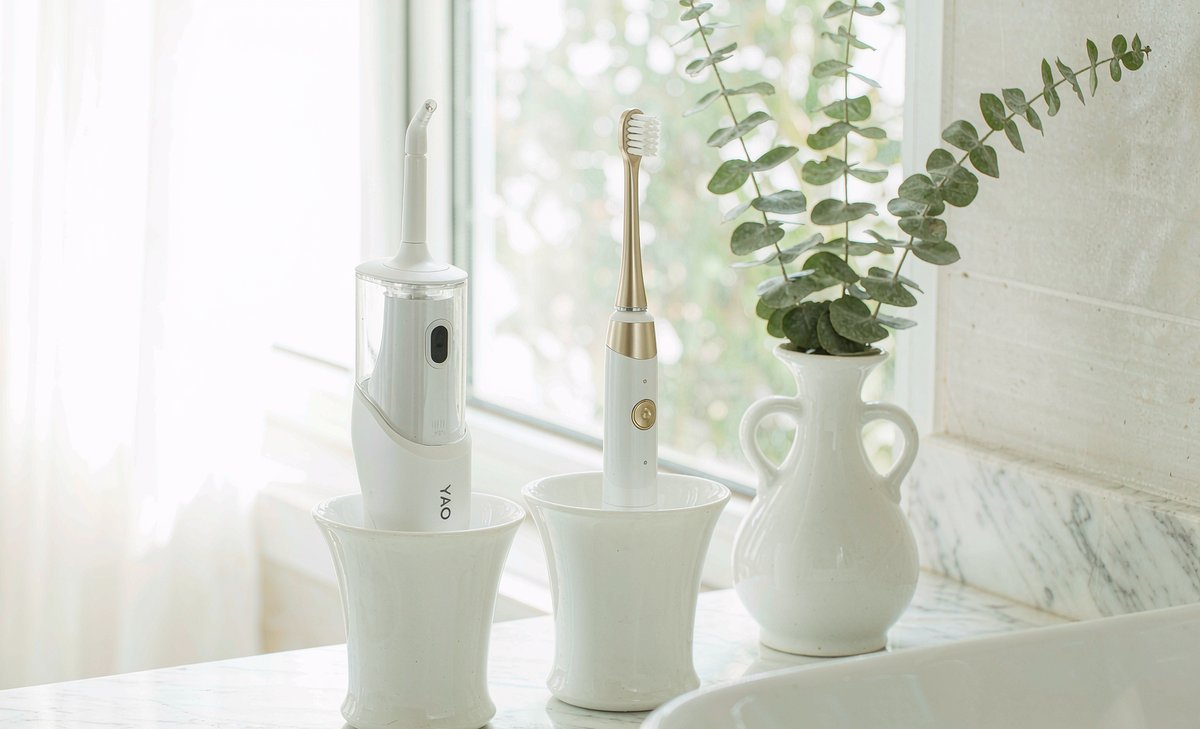
Water flossers have moved from dental clinics to bathroom shelves worldwide, but many first-time buyers still ask the same question: do they actually work? The short answer is yes - with the right expectations and the right technique.
What the evidence says. Clinical research over the past two decades has consistently shown that oral irrigators reduce plaque and bleeding gums when added to a brushing routine, particularly between teeth and along the gumline - the areas a toothbrush struggles to reach. They are not a replacement for brushing; they are the missing second half of the routine.
Who benefits most. Three groups see the biggest gains. People with braces or fixed appliances, where string floss is slow and frustrating. People with bridges, crowns or implants, where cleaning around restorations matters. And anyone with limited hand dexterity - water flossers do the work with a simple point-and-aim motion.
How to use one correctly. Start with the lowest pressure setting and increase over a week or two as your gums adjust. Lean over the sink, aim the tip at the gumline at roughly 90 degrees, and trace each tooth slowly - thirty seconds of rushing misses the point. Warm water feels more comfortable for sensitive teeth.
What to look for when buying. Pressure settings matter more than tank size for most users: sensitive gums need a gentle mode, not maximum power. For travel, a compact, leak-proof design determines whether the device gets used at all. And quiet operation is underrated - a flosser that sounds like a power tool gets left in the drawer.
Those requirements shaped our JS-O1 portable water flosser: multiple pressure modes, a leak-proof tank that fits in a jacket pocket, and a pump quiet enough for early mornings. If you are building an oral care line and want honest input from a manufacturer who uses these design trade-offs daily, our team is always open to a conversation.